
10 Questions Every Jersey Shore Used Car Buyer Should Ask
Before you buy a used car at the Jersey Shore, ask these 10 questions to shop smarter and avoid costly surprises.

Buying a pre-owned vehicle is often one of the most financially sound decisions a driver can make. The steep depreciation that hits new cars the moment they leave the lot has already passed, which means your money stretches further. Many buyers are able to step into a higher trim level, more features, or a more reliable model while staying within budget.
Yet the purchase itself is only the beginning of the story.
What ultimately determines whether that vehicle feels like a smart investment or an unexpected expense comes down to what happens after the keys change hands. The way a car is maintained, protected, and driven over time has a direct impact on both ownership costs and future value.
At Garden State Car Sales, customers often ask how to make sure their vehicle stays dependable and retains its value for years. The answer is rarely complicated. It is simply about consistent care and thoughtful habits that compound over time.
Routine maintenance has a quiet but powerful effect on the life of a vehicle. Modern cars are engineered to run well past 150,000 miles, but they depend on regular service to reach that potential. Oil changes, tire rotations, brake inspections, and fluid checks are not simply recommendations on a service schedule. They are safeguards that prevent small issues from turning into costly repairs.
Owners who approach maintenance proactively tend to experience fewer surprises. Rather than reacting to warning lights or strange sounds, they follow a consistent service rhythm that keeps systems operating smoothly. This approach also creates a documented history, which becomes valuable later when it is time to trade in or sell. A well-maintained vehicle tells a story of care and reliability, and buyers and dealerships alike recognize that difference.
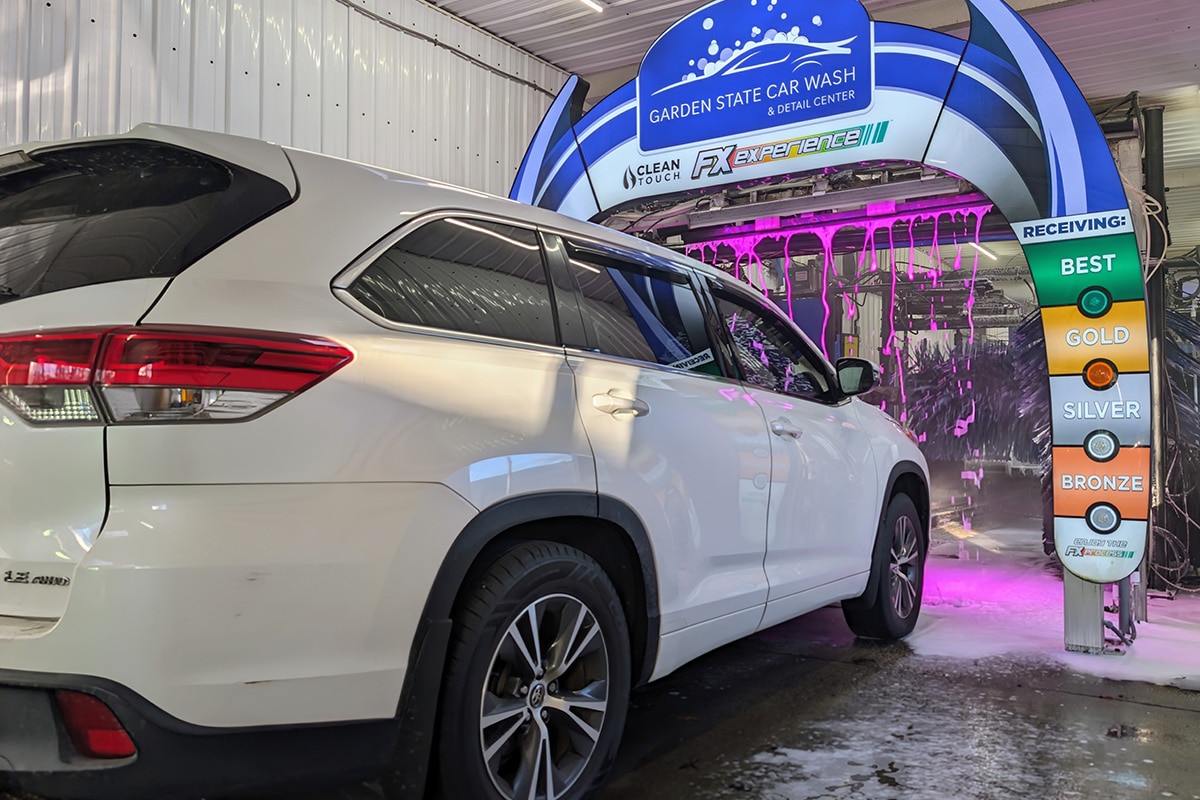
The exterior of a vehicle faces constant exposure to the elements. Sunlight, salt, sand, and road grime gradually wear away at paint and metal, particularly in coastal areas and during winter months when salt and brine are common on the roads. Left unattended, that buildup can lead to corrosion that affects both appearance and structural integrity.
Regular washing does more than improve how a car looks. It removes harmful residues before they have time to cause damage. Periodic undercarriage cleaning is especially important, as it protects areas that are out of sight but vulnerable to rust. Over time, these simple habits help preserve paint quality and body condition, both of which play a significant role in long-term resale value.
A vehicle that consistently looks clean is often a vehicle that has been cared for throughout.
While exterior protection is visible from the outside, interior care has an equally meaningful impact on value. Wear and tear inside the cabin tends to accumulate gradually through everyday use. Spills, sun exposure, and general clutter can cause materials to age faster than expected.
Keeping the interior clean and protected helps preserve that “like new” feeling long after the purchase. Simple habits such as using floor mats, wiping down surfaces regularly, and conditioning leather seats prevent premature wear. When it comes time to sell or trade in, a well-kept interior often makes the strongest first impression and can meaningfully influence the vehicle’s appraisal.
Comfort also plays a role. A clean, organized cabin enhances the daily driving experience, making ownership more enjoyable from start to finish.
The way a vehicle is driven has a direct influence on how long it lasts. Aggressive acceleration, hard braking, and constant short trips place additional stress on mechanical components. Over time, that extra strain can shorten the lifespan of brakes, tires, and drivetrain systems.
A smoother, more deliberate driving style reduces wear while also improving fuel efficiency. Allowing the engine a brief warm-up in colder weather, accelerating gradually, and avoiding sudden stops all contribute to a healthier vehicle. These choices may seem small day to day, but their cumulative effect is significant.
Driving with longevity in mind supports both performance and long-term savings.
A pre-owned vehicle should feel like a smart, confident purchase, not a temporary solution. With consistent maintenance, thoughtful protection, and careful driving, it can deliver years of dependable service while holding its value far better than many people expect.
Owners who treat their vehicle as an asset rather than simply transportation often experience lower ownership costs and greater peace of mind. When the time comes to upgrade, that care translates into stronger trade-in value and more options for the next purchase.
Working with a trusted local dealership can make that process even easier. Our team at Garden State Car Sales is always available to help drivers understand their vehicles, plan for maintenance, and make informed decisions that support long-term value. The goal is not just to sell a car, but to help customers feel confident about ownership for years to come.
How often should I service a pre-owned vehicle?
Follow the manufacturer’s maintenance schedule and keep up with oil changes, tire rotations, and inspections to prevent larger issues.
Does washing my car really protect it, or is it just cosmetic?
Regular washing removes salt, sand, and grime that can cause rust and paint damage, helping preserve both condition and value.
Will maintenance history affect my trade-in value?
Yes. A documented service record and well-maintained condition can significantly improve resale or trade-in offers.
Before you buy a used car at the Jersey Shore, ask these 10 questions to shop smarter and avoid costly surprises.

Looking for the best used car for a senior driver at the Jersey Shore? Let’s review the top comfort, safety, and reliability picks for 2026.