
First-Time Car Buyer? Here’s Everything You Need to Know
Buying your first car? Here is what every first-time buyer should know before visiting a dealership.
Buying a used car should feel like a smart financial decision. Yet for many buyers, it becomes expensive not because of the vehicle, but because of a few stubborn myths that refuse to go away.
The used car market has evolved dramatically over the last decade. Vehicles last longer, inspection standards are higher, and access to information is better than ever. Still, outdated assumptions continue to steer buyers toward choices that cost them more in repairs, regret or missed opportunities.
Let’s clear up the most common used car myths and explain what actually matters when you are shopping.
Mileage matters, but not in isolation.
A vehicle with lower miles but inconsistent maintenance, long periods of inactivity or harsh driving conditions can be more problematic than a higher-mileage car that has been well cared for. Regular servicing, clean fluids and responsible ownership often matter more than the number on the odometer.
What to focus on instead: Maintenance history, inspection results and how the car was driven and serviced over time.
Many buyers instinctively chase the newest model year they can afford. But newer does not always equal better value.
Some slightly older vehicles offer proven reliability, simpler technology and lower ownership costs. In many cases, they have already avoided early-model issues and depreciation hits.
What to focus on instead: Overall condition, reliability track record and whether the vehicle has been properly inspected and serviced.
A scratch on a bumper or wear on the seats can scare buyers away, but cosmetic issues rarely tell the full story.
In fact, minor cosmetic flaws can sometimes signal a better value, since they do not impact performance, safety or reliability. Passing on a mechanically sound car because of surface imperfections can cost buyers a great opportunity.
What to focus on instead: Mechanical condition, safety systems, drivetrain health and structural integrity.
At first glance, private listings may seem like a bargain. But “cheaper” often comes with trade-offs such as limited inspections, unclear histories and little accountability after the sale. Without professional inspections or service support, buyers can quickly find themselves paying for repairs they did not anticipate.
What to focus on instead: Transparency, inspection standards and the confidence that comes from knowing the vehicle has been properly evaluated before purchase.
This might be the most costly myth of all.
Buying used does not mean taking a risk, it means making an informed decision. With proper inspections, documentation and honest evaluation, a used vehicle can deliver years of dependable performance at a far better value than buying new.
What to focus on instead: Who inspected the vehicle, what was checked and whether the seller stands behind the quality of their inventory.
The biggest mistake buyers make is not choosing the “wrong” car, it is trusting myths instead of facts.
A quality used vehicle is defined by:
When those boxes are checked, used car buying becomes what it should be. A confident, cost-effective decision.
Is higher mileage always a deal breaker when buying a used car?
No. A well-maintained higher-mileage vehicle can be more reliable than a lower-mileage car with poor service history.
Are older used cars less safe than newer ones?
Not necessarily. Many older vehicles still meet strong safety standards, especially when properly maintained and inspected.
Why is a professional inspection so important when buying used?
An inspection helps identify mechanical issues, safety concerns and maintenance needs before you buy, preventing costly surprises later.

Buying your first car? Here is what every first-time buyer should know before visiting a dealership.

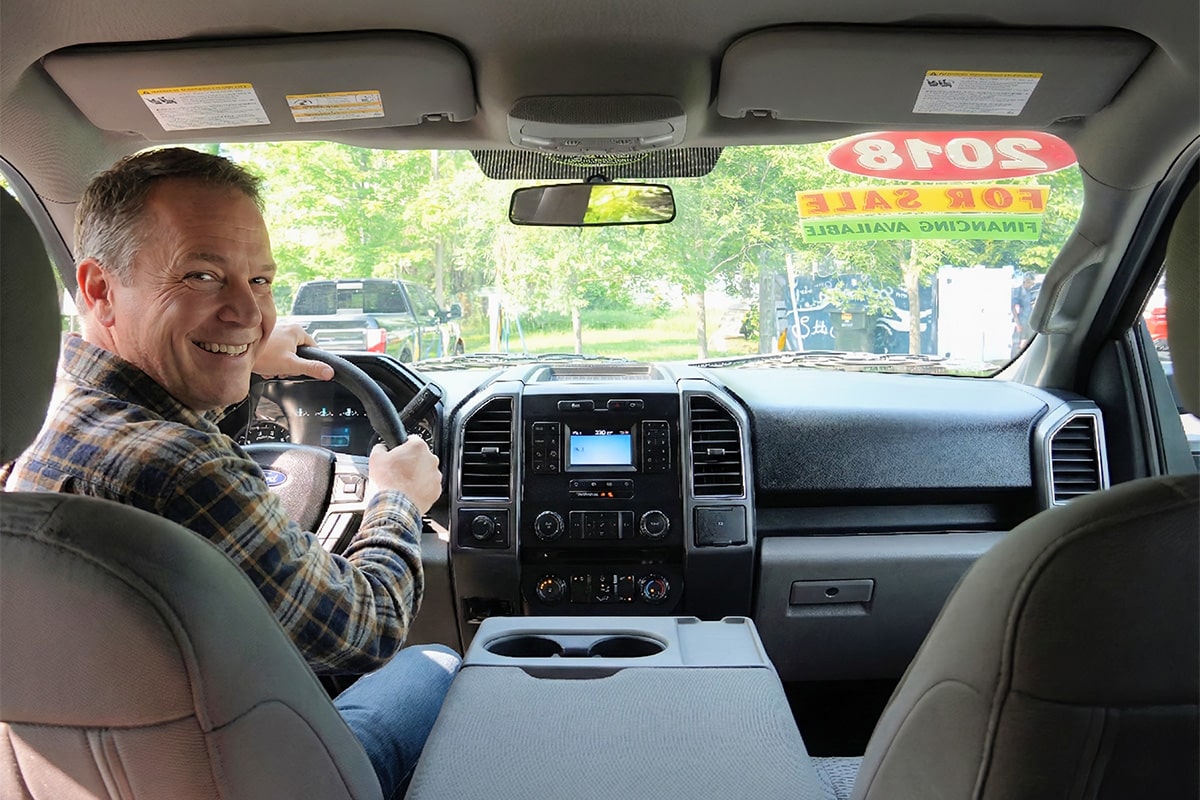
Looking for a reliable used car for your NJ commute? Discover the best pre-owned vehicles for Monmouth and Ocean County drivers.