
What to Know About Used Car Loans Before You Walk into a Dealership
Average used car loan rates hit 11.19% in 2026, but your rate depends on what you know walking in. Learn how dealer financing works and how to get a better deal.

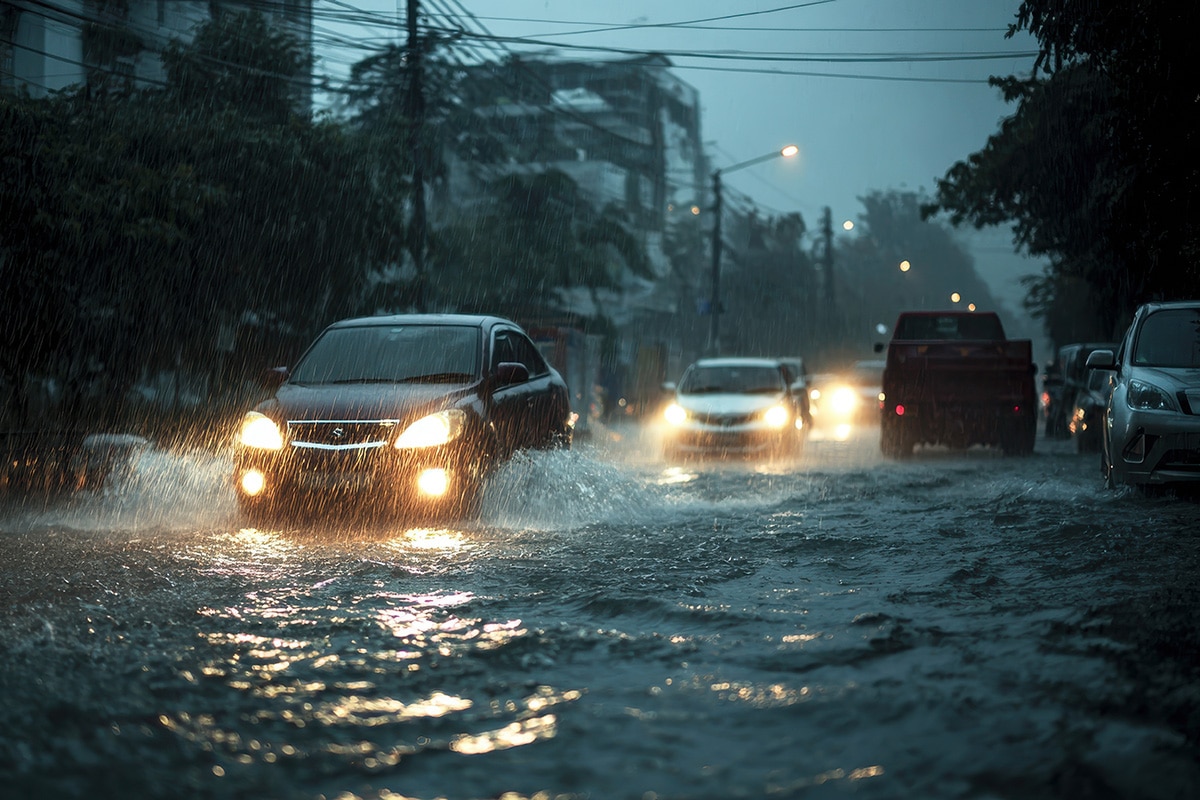
Fall storm season is almost here. And for Jersey Shore residents, that is not just a weather warning. It is also a reminder of one of the most important and underappreciated risks in the used car market: flood-damaged vehicles that look and drive perfectly fine right up until they do not.
According to Carfax, approximately 347,000 vehicles with flood damage from the 2024 hurricane season alone were back on roads and potentially available for resale. Nationally, hundreds of thousands of flood-damaged cars enter the used market every year. Many of them cleaned up, repaired just enough to pass a casual inspection, and resold without full disclosure of their history. For buyers in coastal communities like Monmouth and Ocean County, this risk is not hypothetical. It is local.
At Garden State Car Sales in Howell, NJ, we inspect every vehicle we carry for quality before it ever hits our lot. But not every dealer does. And private sales carry even greater risk. Here is a complete, practical guide to identifying flood and storm damage before you buy.
Floodwater does not just get things wet. It infiltrates every system in a vehicle. Electrical components corrode over time. Airbag controllers can malfunction. Brake systems, transmissions, and engines can deteriorate in ways that are not immediately visible. The insidious part is the timeline. A flood-damaged vehicle can drive and perform completely normally for weeks or months after the flood event, allowing a seller to move it before the real problems surface.
As one automotive expert notes, sellers of flood-damaged vehicles may make enough repairs to get the vehicle running and looking presentable, but hidden problems will eventually catch up with the new buyer. By then, the sale is done and the cost of repair falls entirely on you.
Before you ever set foot near the vehicle, run a Carfax or AutoCheck report using the VIN number. A flood-damaged vehicle that was declared a total loss by an insurance company should carry a salvage or flood title brand that appears in the history report.
Look specifically for:
Important Caveat: Vehicle history reports are thorough but not foolproof. Not every flood event results in an insurance claim, particularly minor flooding or damage that a previous owner repaired out of pocket without involving their insurer. A clean history report is a good sign but not a guarantee. The physical inspection steps below are always necessary.
The interior of a vehicle holds more flood evidence than almost anywhere else, if you know where to look.
According to Kelley Blue Book and Carfax, here is what to check:
The trunk is one of the most revealing areas for flood damage detection, and one of the most overlooked by casual buyers. According to Kelley Blue Book, a water line under the spare tire is a strong indicator of flood damage.
Here is what to check:
The engine bay and undercarriage tell an important part of the flood damage story that the interior cannot.
Key things to look for:
Electrical damage is often the most expensive and unpredictable consequence of flood exposure, and it is the area where problems surface most slowly over time.
Before committing to any used vehicle, test every electronic feature:
Everything in this guide is a starting point, not a substitute for a professional inspection. A qualified mechanic can put the vehicle on a lift, run diagnostic codes, and examine components that no buyer can realistically assess during a lot visit. For a Jersey Shore buyer concerned about flood damage specifically, an inspection from a trusted local mechanic in Monmouth or Ocean County is the best final line of defense before committing to a purchase.
The inspection costs $100 to $150. The repairs from an undisclosed flood vehicle can cost thousands. That math is easy.
The Jersey Shore’s history with coastal storms, tidal flooding, and nor’easters makes flood vehicle awareness more relevant here than in most parts of New Jersey. Vehicles that flooded in one Jersey Shore community (or traveled here from other storm-affected coastal regions after hurricane season) can end up on local lots or in private sales. The fall storm season that is beginning right now is exactly when this risk increases.
Buying from a trusted local dealer who carefully inspects and stands behind its inventory is one of the most effective protections available. That is not a sales pitch, it is a practical reality. A dealer with a long-standing reputation in the Monmouth and Ocean County community has far more to lose from selling a problematic vehicle than an anonymous private seller or out-of-area lot ever would.
At Garden State Car Sales in Howell, NJ, every vehicle in our inventory is hand-picked and inspected for quality before it hits our lot. We do not carry flood-damaged vehicles, and we are always transparent about every vehicle’s history and condition. If you have questions about any car on our lot, we will answer every one of them honestly.
How do I check if a used car has flood damage at the Jersey Shore?
Start with a Carfax or AutoCheck vehicle history report to check for flood or salvage title brands. Then physically inspect the vehicle: smell for musty or mildew odors, check under carpeting and seat padding for moisture, look for waterlines on the dashboard and door panels, inspect the trunk and spare tire well for water residue, check for corroded wiring under the dashboard and in the engine bay, test all electrical systems, and look for fog or moisture inside headlight and taillight housings. Always follow up with an independent mechanic inspection before finalizing any purchase.
Are flood-damaged cars common in New Jersey?
Yes. Flood-damaged vehicles are a real concern in New Jersey, particularly in coastal areas like the Jersey Shore where storms, tidal flooding, and nor’easters have historically affected vehicles. According to Carfax, approximately 347,000 vehicles with flood damage from the 2024 hurricane season alone were back on roads nationally. Many of these vehicles are cleaned up and resold, sometimes traveling far from where the original flood occurred. Buyers in Monmouth and Ocean County should always check vehicle history reports and conduct thorough physical inspections, especially when purchasing from private sellers or unfamiliar dealerships.
What are the signs of flood damage in a used car?
The most reliable signs of flood damage in a used car include a musty or mildew odor inside the cabin or through the air vents, damp carpet padding underneath a dry surface, waterlines or stains on the dashboard, door panels, or inside the trunk, rust on metal components under the dashboard or in the engine bay, corroded wiring, fog or condensation inside headlight or taillight housings, dried mud or silt in tight engine compartment crevices, a water line in the spare tire well, and brand-new upholstery or carpeting in an otherwise older vehicle. Any combination of these signs warrants a professional mechanic inspection before purchase.
Average used car loan rates hit 11.19% in 2026, but your rate depends on what you know walking in. Learn how dealer financing works and how to get a better deal.

Used car prices are currently softening. Let’s break down what that means for Jersey Shore buyers in Monmouth and Ocean County right now.